
How to get rid of greenfly
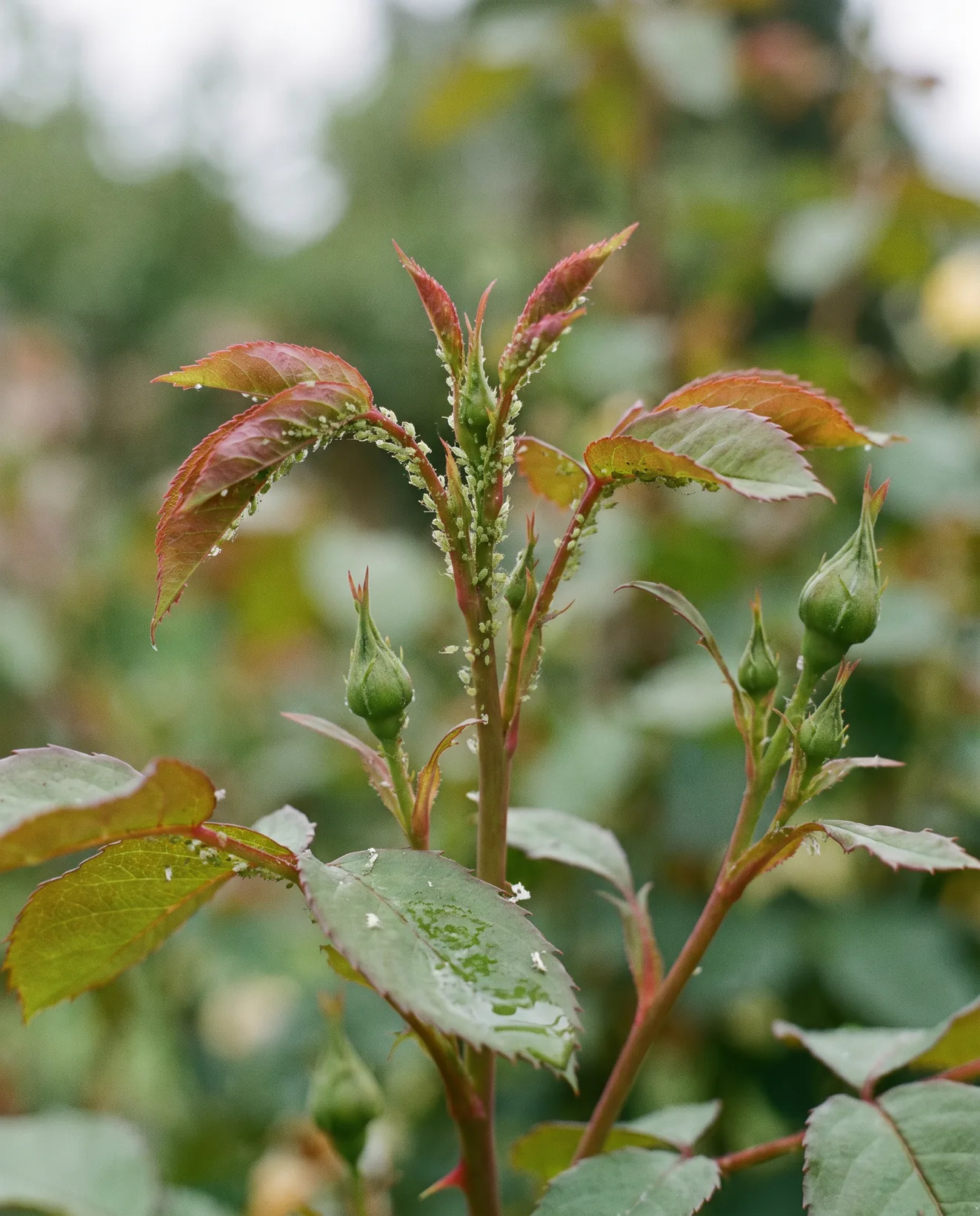
A female greenfly can give birth to as many as 12 young a day, and she doesn't need a male to do it. In warm weather, each of those young can be giving birth itself within seven or eight days.
That's the enemy on your roses, sweet peas, houseplants, and more. To get rid of greenfly, you have to move faster than they breed!
Here's how to get rid of greenfly, fast: find every colony, spray SMC straight onto them, and go back after four days for any you missed.
Greenfly are aphids
Greenfly is the everyday British name for green aphids: small, soft, sap-sucking insects. Britain has more than 500 aphid species, so "greenfly" covers plenty of them. Blackfly are another type of aphid.
What do aphids look like?
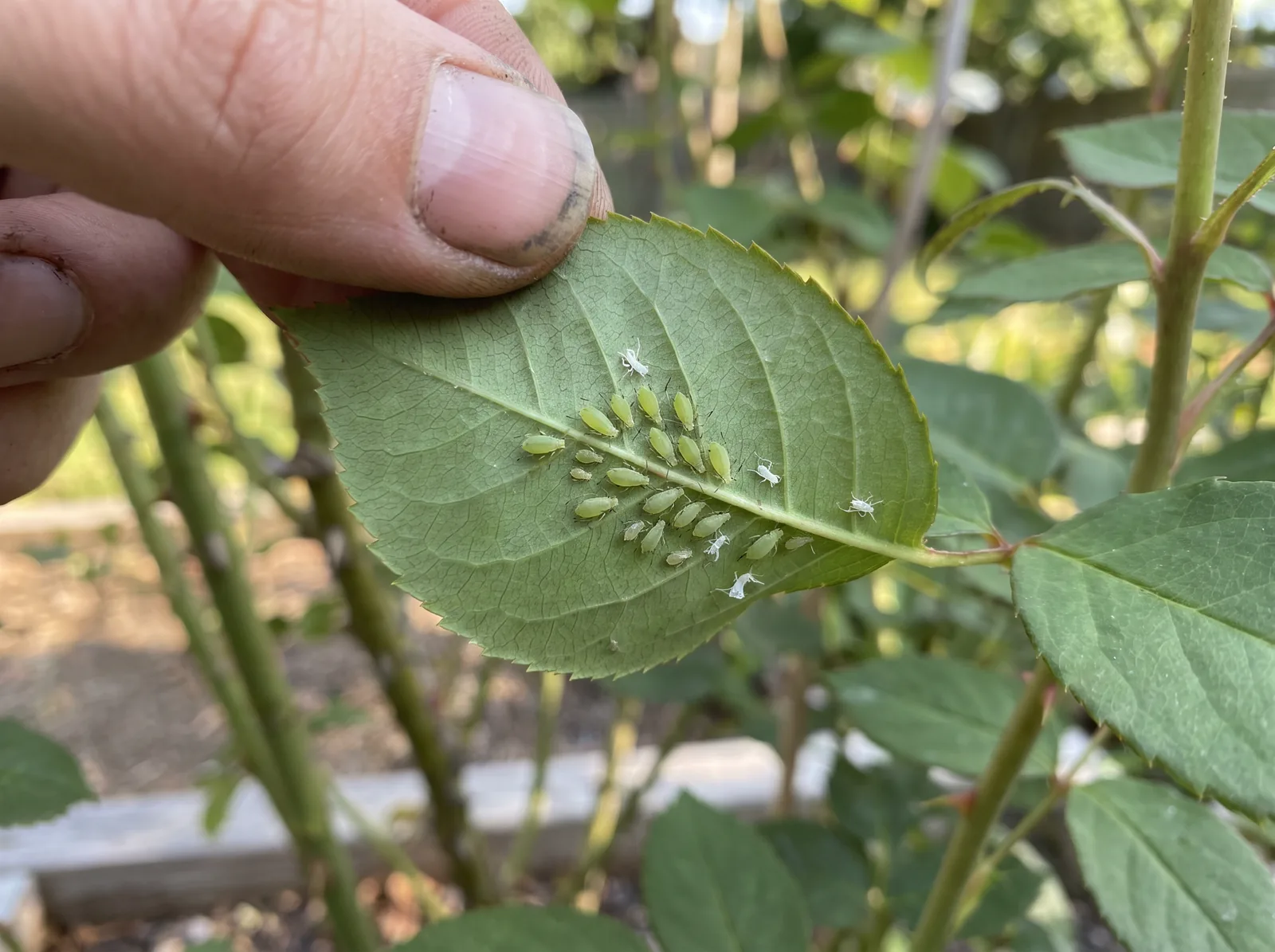
Aphids range from 1 to 7mm long. One colony can hold green, pink and yellow aphids, and some species are mottled. The colonies are often big enough to see with the naked eye. Look for white flecks on the leaves as well: those are the skins they shed as they grow.
Winged aphids
Most of the year a colony is all wingless females. Winged aphids appear when the colony gets crowded, the plant starts to fail or the season turns. When you see them, the colony is getting ready to spread.
Why greenfly numbers explode
Greenfly win on numbers. For most of the year there are no males in a colony, and every female gives birth to live young, up to 80 in a week. That's how a handful of greenfly turns into a colony.
Greenfly life cycle and aphid eggs
Most aphid species spend the winter as eggs, often laid on a tree or shrub. Rose aphids lay theirs on the rose stems in autumn. The eggs hatch in spring and the young feed on the fresh growth. By early summer, winged females fly off to other plants and start new colonies.
For the rest of the year greenfly don't lay eggs at all. The young are born alive, which is why the four-day check below matters. Indoors, and outdoors in a mild winter, some will keep breeding all year.
Signs of greenfly on plants
Greenfly go for the softest, newest growth, so that's where the signs show first.
- Colonies of small green, pink or yellow insects on the shoot tips, around unopened flowers and under young leaves
- Curled or distorted young leaves
- Sticky aphid honeydew on the leaves and stems
- Black sooty mould growing on the sticky patches
- White cast skins on the tops of the leaves
- Ants climbing the stems
Ants and aphids
Ants on the stems mean the greenfly have bodyguards. Ants feed on the honeydew, so they tend the colonies and drive off the insects that would eat them.
What do aphids do to plants?
Greenfly suck sap from the leaves, stems, and flowers. A bad aphid infestation weakens the plant, curls its young leaves and stunts its growth. Some aphids also spread plant viruses, a particular problem on soft fruit and several vegetables.
How to get rid of greenfly, step by step
Once greenfly curl the leaves, the curl shelters them from sprays, so start early.
1. Check the new growth
Look at the newest growth first: the shoot tips, the unopened flowers and the undersides of young leaves. Then go over the plants next to it.
2. Spray every colony
Hit the greenfly directly with a fine mist of SMC, then cover both sides of every leaf. Aim into any curled leaves. Keep it off the flowers.
Pick the afternoon or evening, out of direct sunlight, and shake the bottle first. Indoors, turn grow lamps off before you start.
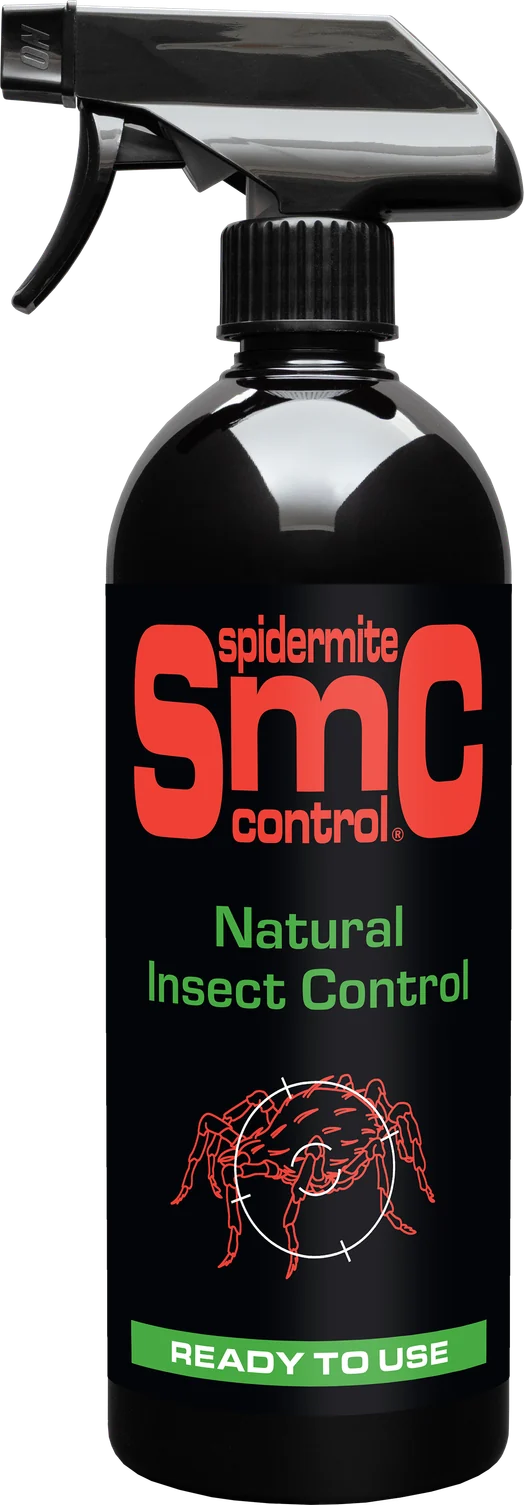
SMC is a plant-based greenfly spray and aphid killer. The oil film blocks the breathing holes of every greenfly it lands on, and they suffocate. It's a non-chemical method with 100% plant-based active ingredients, so you can get rid of aphids on plants naturally, without pesticides. One bottle also covers blackfly, spider mites, mealybugs and other soft-bodied pests.
- Coats and suffocates greenfly
- Nothing for them to resist
- Safe around children, pets and bees
- No harvest interval
750ml Ready to Use. Ready to spray, straight onto the shoot tips.
Buy on Amazon3. Check again after four days
Go back after four days, new growth first. Fresh young are born every day, so if you find live greenfly, spray again. You may need more than one round.
Greenfly and chemical resistance
One green aphid found across the world, the green peach aphid, has developed resistance to at least 70 different synthetic compounds, according to a 2012 study.
SMC kills greenfly physically. There's no poison in it, so there's nothing for them to build resistance to.
How to get rid of greenfly on roses
Roses have a greenfly of their own: the rose aphid. It's up to 3.5mm long, pink to green, and active from March to August. Numbers climb with the new growth in spring and peak in early summer.
The colonies pack onto the shoot tips, the young leaves and around the unopened flowers, thick enough to leave a whole bush sticky with honeydew.
Spraying greenfly on roses
To get rid of aphids on roses, spray the leaves and stems, tops and undersides, and the tips where the colonies sit. Keep the spray off the flowers, and wait until the sun is off the bush.
To stop greenfly on roses building up again, make SMC a weekly spray from spring.
Greenfly on houseplants and indoor plants
New plants often bring greenfly in with them. Once they're indoors, they can breed all year round.
To get rid of aphids on houseplants, work through the three steps above, then check every plant in the room. SMC is safe around children and pets, so you can treat the plant where it lives. Patch-test a leaf on anything delicate first, and leave hairy-leaved plants out.
Greenfly in the greenhouse and veg patch
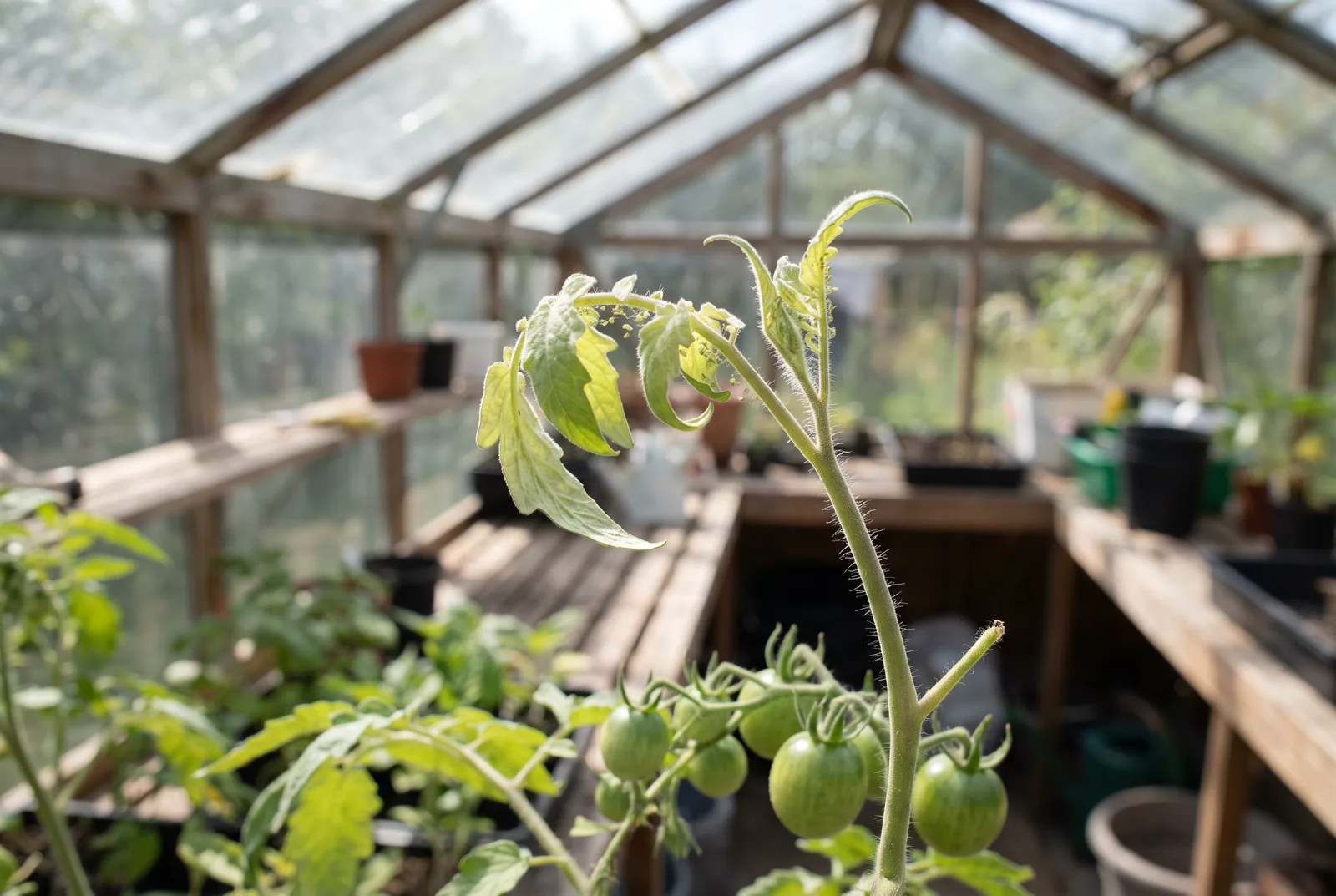
Almost any plant can host greenfly. In the greenhouse they go for tomatoes, cucumbers, peppers and chillies. Outdoors, look on beans, strawberries, sweet peas and lupins.
Spray your crops and pick them the same day: SMC has no harvest interval. On sweet peas, spray the leaves and stems and keep it off the flowers.
Aphids on lupins
Lupins have their own aphid. The lupin aphid is large, up to 4mm, and greyish-white, and it packs onto the undersides of the leaves and up the flower spikes from April to September. Spray the leaves and stems, undersides especially, and keep it off the flowers.
How to stop greenfly coming back
You can use SMC as a weekly spray to keep greenfly and other nasties off your plants.
- Check the new growth often from spring, so you catch a colony before the leaves curl.
- Look over new plants before they join the others.
- Watch for ants climbing the stems.
- Spray SMC weekly. There's no limit on how often you can use it.
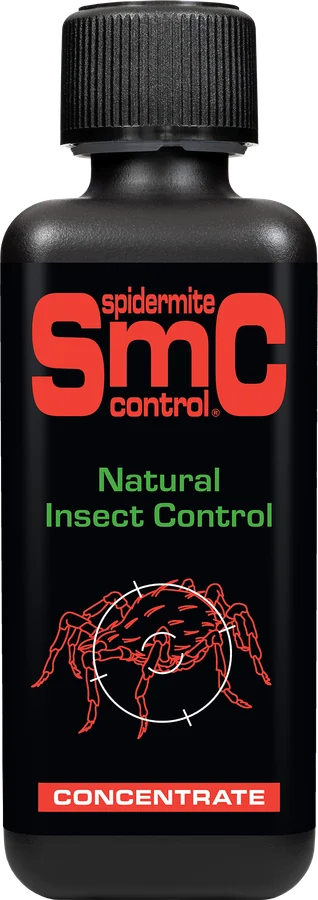
- Weekly spray, no limit on use
- 100% plant-based active ingredients
- Safe around children, pets and bees
- No harvest interval
300ml Concentrate. One bottle makes 12 litres of spray.
Buy on AmazonGreenfly FAQs
What causes a greenfly infestation?
Warm weather and soft new growth. In early summer, winged females fly in from the trees and shrubs where they hatched, and each one can start a colony with no male needed. Indoors, they often arrive on a new plant.
What's the best way to get rid of greenfly?
Catch them early, before the leaves curl around them. Spray every colony with SMC, leaf undersides included, then check after four days and spray again if any survived.
Do ants eat aphids?
No, ants farm them. They feed on the honeydew greenfly produce, and in return they drive off the insects that would eat the greenfly.
Do aphids fly?
Some do. Winged greenfly appear when a colony gets crowded, and they fly off to start new ones.
Do greenfly bite?
No. Greenfly feed on plant sap.