
Is there one spray for spider mites, aphids and whitefly?
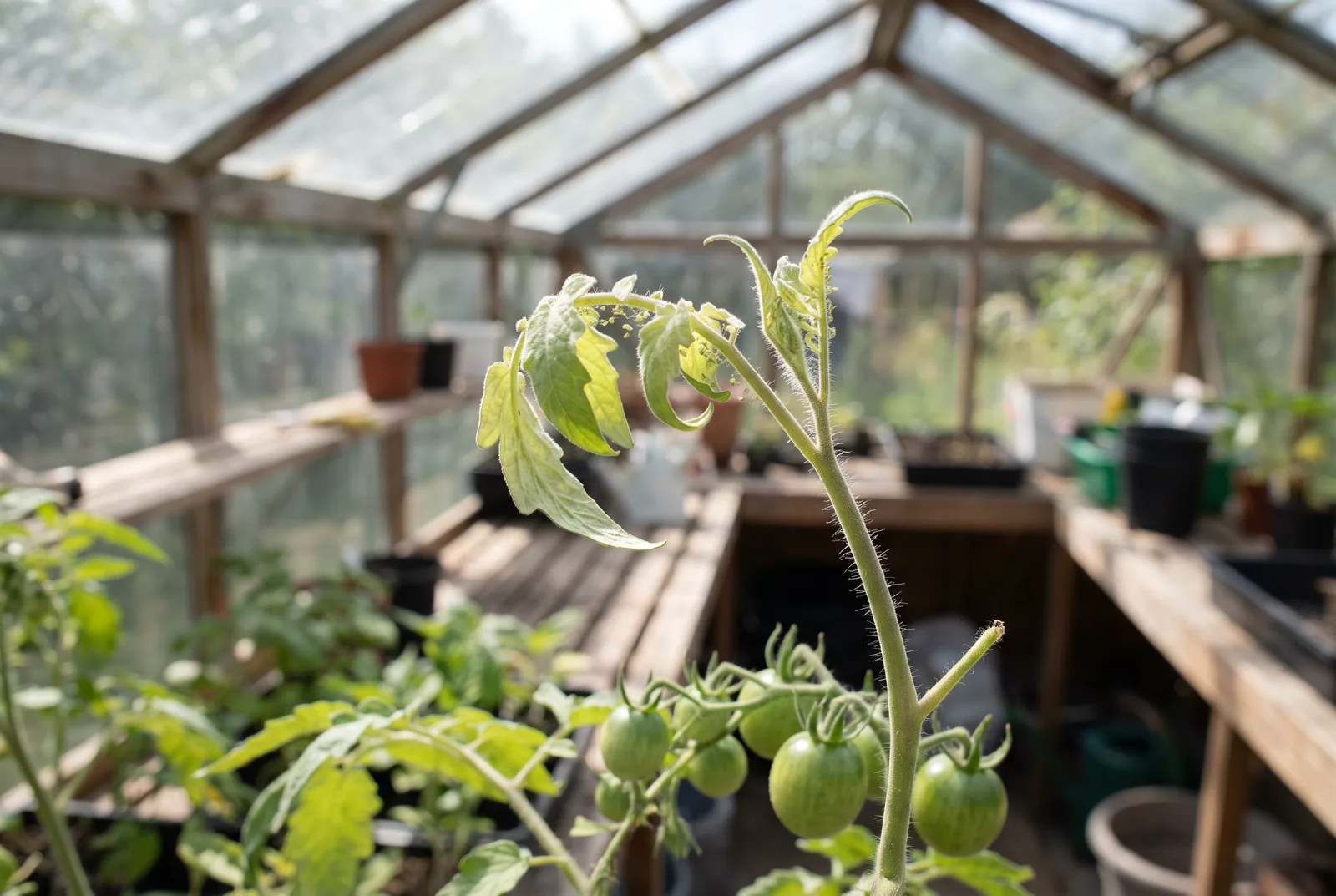
Yes. SMC Spider Mite Control works physically on spider mites, aphids (greenfly and blackfly) and whitefly. Its plant-based oil film coats the pests and blocks their breathing pores, so they suffocate, and it coats the eggs before they hatch.
Spider mites speckling the tomato leaves. Greenfly packed on the new growth. Whitefly lifting off in a cloud when you brush past. Three enemies on one plant, and three different sprays would mean three bottles and three sets of instructions.
SMC takes on all three, plus mealybugs and other soft-bodied pests, from one bottle. The concentrate has one dilution rate for all of them: 25ml per litre of water.
- Spider mites are arachnids with eight legs, in the same class as spiders and ticks. Aphids and whitefly are insects.
- Greenfly and blackfly are both aphids.
- At 21°C, spider mites go from egg to adult in about 12 days, and whitefly in about three weeks. In warm weather, many aphids go from newborn to breeding adult in about a week.
- All three feed on most greenhouse crops, including tomatoes and cucumbers, and on houseplants indoors.
- SMC Spider Mite Control is a UK-made spray with 100% plant-based active ingredients. It coats spider mites and other soft-bodied pests in a thin film of oil that blocks their breathing pores, so they suffocate.
Can one bug spray for plants really kill spider mites, aphids and whitefly?
Yes, if it works physically. SMC coats spider mites, aphids and whitefly in a thin film of oil that blocks their breathing pores, so they suffocate, and it has no pesticide ingredients, so pests can't build resistance to it.
A chemical plant bug spray has to poison each pest, and a mite and an insect make very different targets. A physical film doesn't depend on that. It works on the soft-bodied pests it lands on, so one pest spray for plants can even handle a mixed attack.
SMC controls spider mites, greenfly, blackfly and other aphids, whitefly, mealybugs, fungus gnats, russet mites, broad mites, leafhoppers, thrips larvae and juvenile scale insects and their eggs.
Why spider mites are harder to kill than insects
Spider mites are arachnids, with eight legs, in the same class as spiders and ticks. Aphids and whitefly are sap-sucking insects.
That difference matters if the insect spray for plants on your shelf is a chemical one. Sprays made for insects often don't work well on mites, and some even make mites breed faster. Treat greenfly with a broad chemical spray and you can end up fighting a spider mite outbreak as well.
Spider mites have also become resistant to most of the chemical sprays made to control them. Their life cycle is short and they lay plenty of eggs, so the survivors of each spray breed the next generation fast.
SMC's film blocks the breathing pores of mites and insects alike. It gives neither of them anything to build resistance to.
SMC on spider mites
Spider mites dig in on the undersides of the leaves. Each one is up to a millimetre long, and they gather there with their eggs and the white skins they shed. On top, the leaf turns pale and speckled, and fine webbing appears once their numbers build.
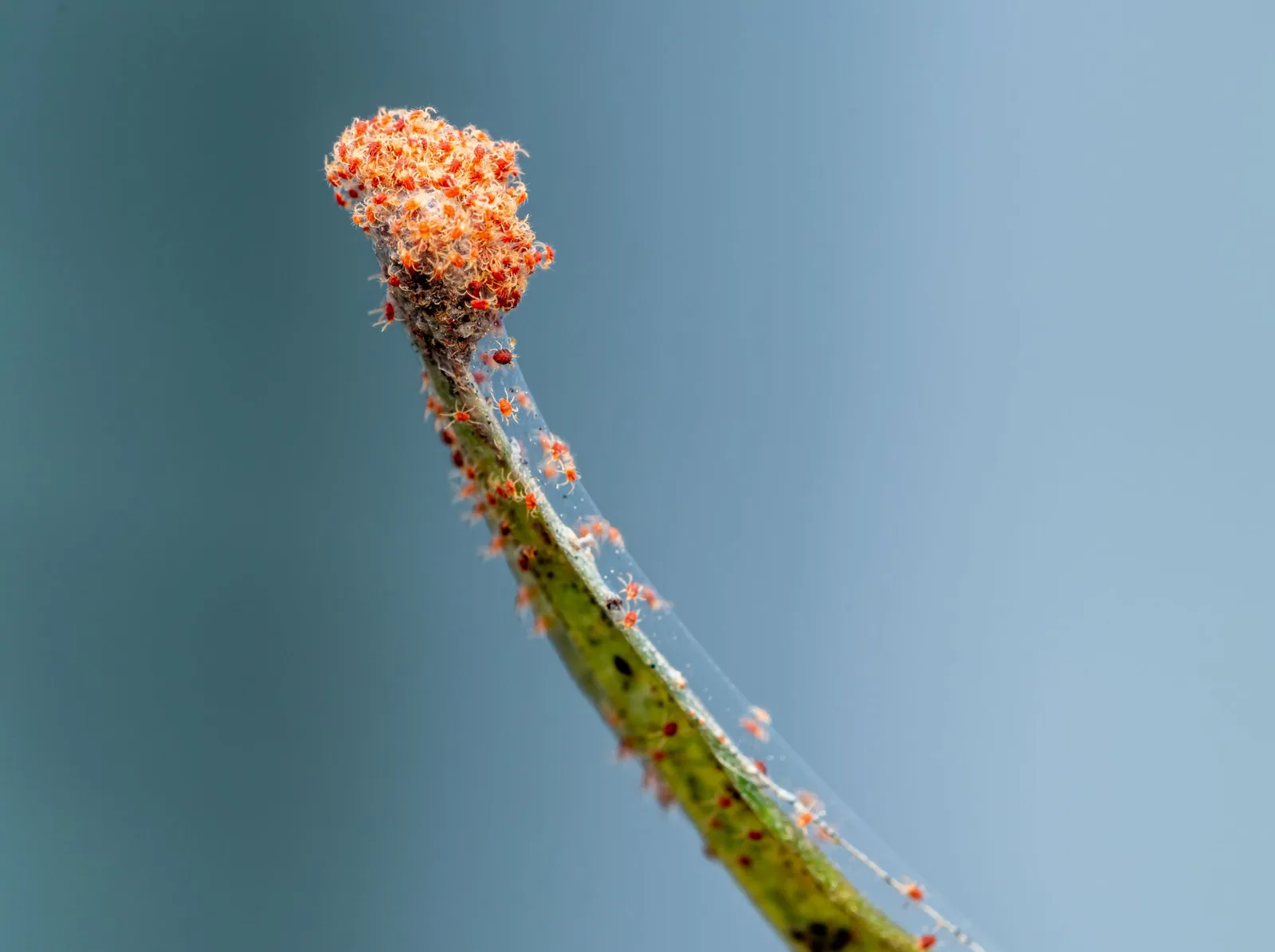
At 21°C a mite goes from egg to adult in about 12 days, so a warm room or greenhouse can fill up fast.
To use SMC as a spider mite spray, cover the tops and undersides of every leaf. The film suffocates the mites it lands on and coats the eggs before they hatch. For the full battle plan, read how to get rid of spider mites.
SMC on aphids: greenfly and blackfly
Greenfly and blackfly are both aphids, sap-sucking insects that live in colonies. For much of the year a colony is all wingless females, giving birth to live young, often as many as 12 a day, without mating. In warm weather, many go from newborn to breeding adult in about a week. Most species spend the winter as eggs.
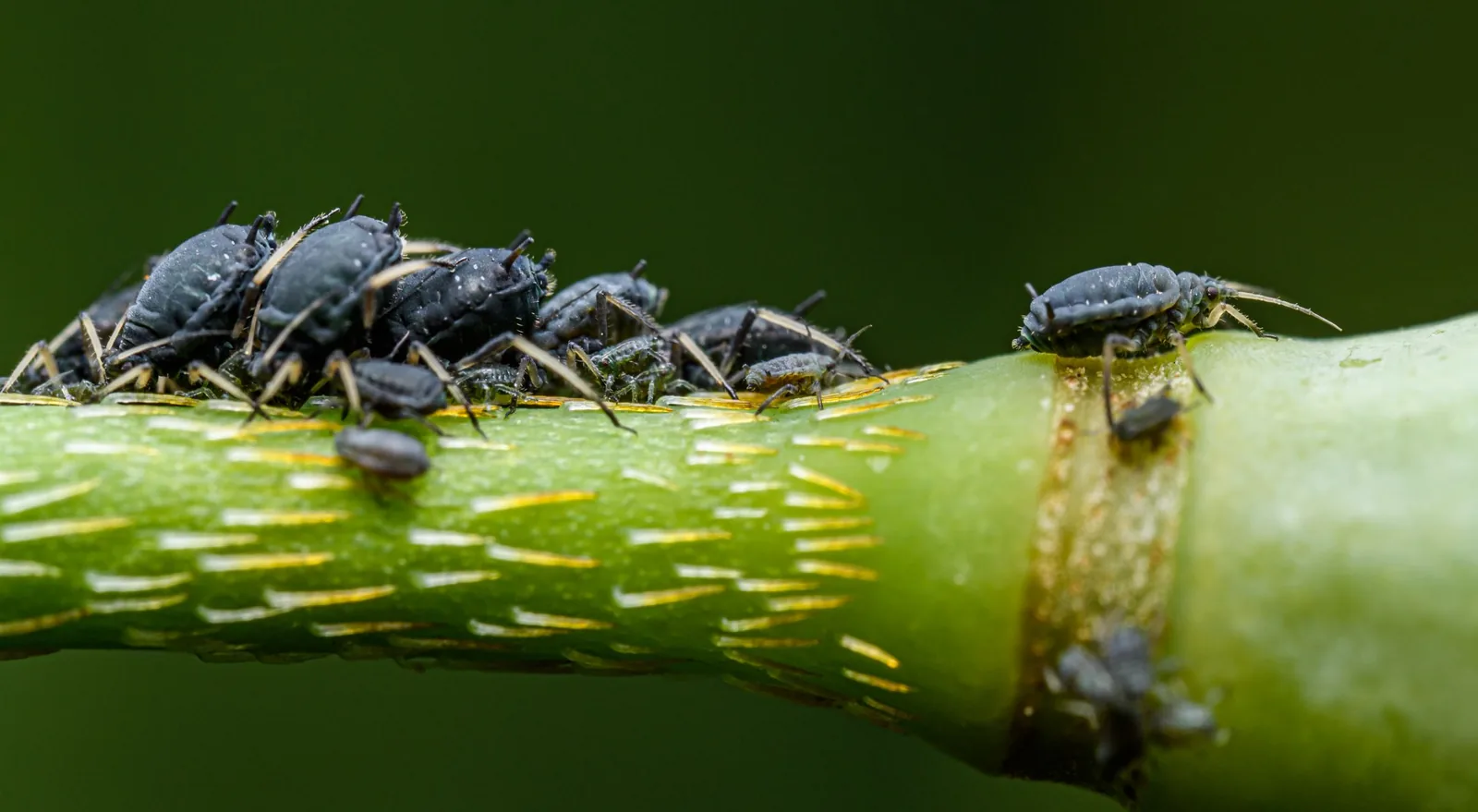
Speed is the threat. Each adult can produce up to 80 young in a week.
For greenfly, blackfly or any other aphid, the treatment is the same. Spray the colonies directly, then cover the tops and undersides of the leaves around them. SMC's film blocks their breathing pores and they suffocate. The full guide is how to get rid of greenfly.
SMC on whitefly
Brush a tomato plant and a cloud of tiny white flies lifts off. Those are the adults. Their greyish-white eggs sit on the underside of the leaf, laid one at a time or in circles, and the young settle there to feed. At 21°C the whole life cycle takes about three weeks.
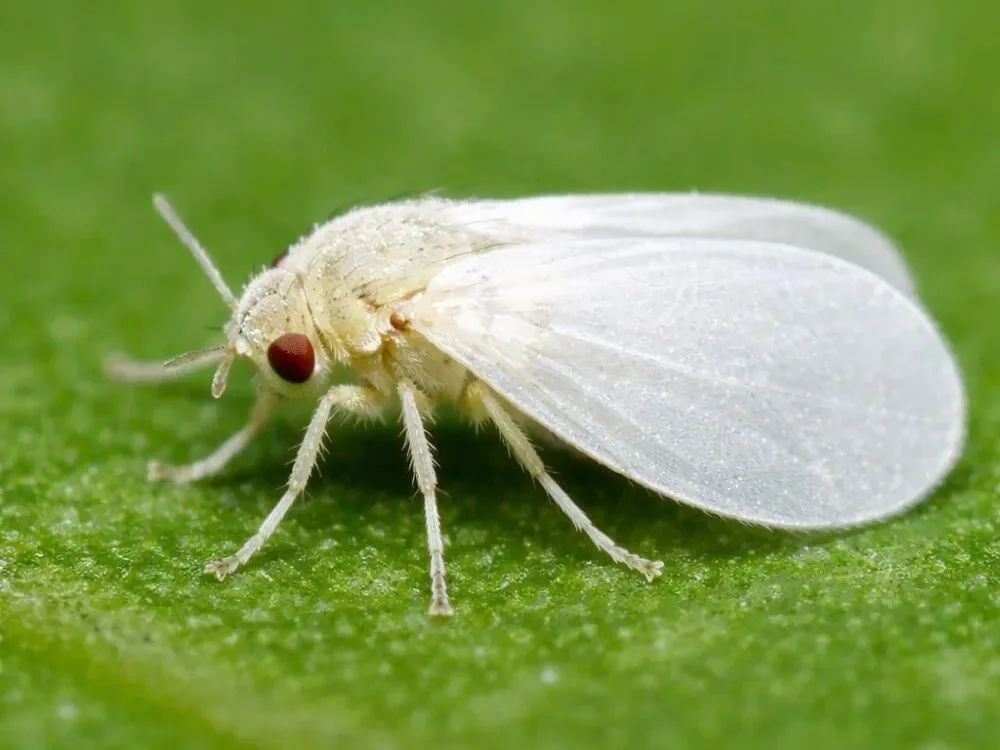
Chemical whitefly treatment hits the same wall as it does with spider mites: whitefly quickly build up resistance to chemical sprays.
A whitefly spray has to reach the undersides. Turn the leaves over, lowest first, because those are usually the worst hit and the hardest to reach, and mist SMC over both sides. The film suffocates the adults and young and coats the eggs before they hatch. Read how to get rid of whitefly for the rest.
Mealybugs hide in the leaf joints, out of sight, and the same spray covers them too. Here's how to get rid of mealybugs.
How to use SMC on spider mites, aphids and whitefly
One spray pass covers all three, as long as it reaches them.
- Shake well. For the concentrate, mix 25ml per litre of water, and keep shaking while you spray. The 750ml is ready to use.
- Use a fine mist on the tops and undersides of every leaf, and spray the pests directly.
- Spray in the afternoon or evening, never in direct sunlight. Indoors, turn grow lights off and wipe any residue off the bulbs before switching them back on.
- Avoid flowers, hairy-leaved plants and sensitive plants. Patch test one leaf first.
- Spray again if needed.
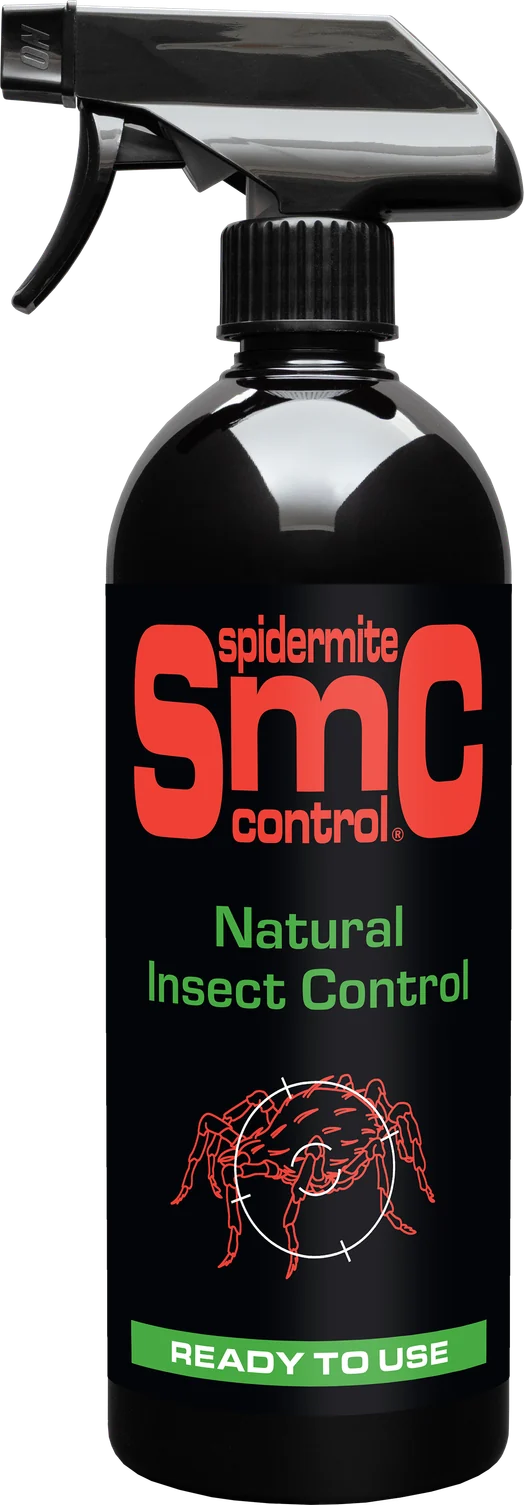
- Coats and suffocates soft-bodied pests
- Nothing for them to resist
- Safe around children, pets and bees
- No harvest interval
750ml Ready to Use. No mixing. Ready to spray on the tops and undersides of every leaf.
Buy on AmazonWhy you may need to spray again
Eggs. The film coats the eggs before they hatch, but it works only where it lands. Eggs on a leaf you missed will hatch, and the young become the next wave. Aphids give you even less time, because a colony breeds fast.
So check again after four days, under the leaves first. If you still see live mites, aphids or whitefly, spray again. You may need more than one repeat on a heavy infestation.
Once they're cleared, SMC can go on weekly as a preventative, with no limit on how often.
Soap sprays and oils have the same limit. They work only on the pests they touch, so repeat sprays are often needed with those too.
One houseplant bug spray for all three
Indoors, there's no winter break. Aphids and whitefly stay active all year round on houseplants, and spider mites like a warm room with dry air, so the heating keeps them going. All three often arrive on a new plant.
SMC is safe around children, pets and wildlife, so you can treat indoor plants where they stand. That makes it an indoor plant bug spray for all three, and you don't have to carry the plant outside.
Houseplant pest control starts with checking every plant in the room, healthy-looking ones included. Patch test one leaf of any delicate plant first. If your plants are under grow lights, switch them off before you spray.
Greenhouse pest control for tomatoes, cucumbers, peppers and other crops
A warm greenhouse suits pests, and between them they'll feed on most crops in it, including tomatoes, cucumbers and peppers. Spider mites do their worst in hot, dry, crowded conditions, and glasshouse whitefly thrives in the warmth.
That means all three can turn up on the same tomato plant at once. Start with the lowest leaves and work up, then move on to the plants next to it.
There's no harvest interval, so spray today, pick today. For a whole greenhouse, the 300ml concentrate makes 12 litres of spray.
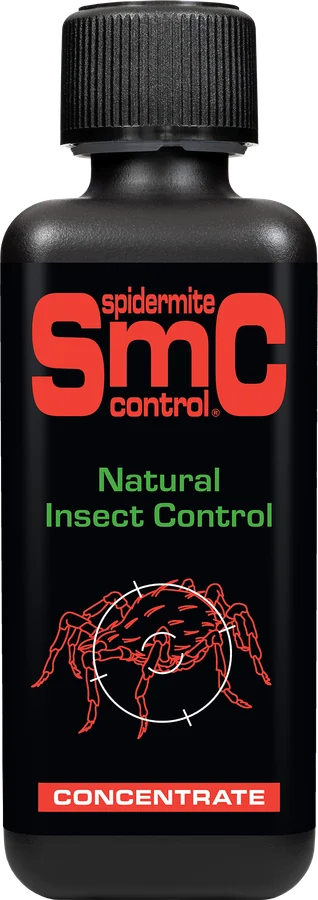
- Weekly spray, no limit on use
- 100% plant-based active ingredients
- Safe around children, pets and bees
- No harvest interval
300ml Concentrate. One bottle makes 12 litres of spray.
Buy on AmazonWays to treat spider mites, aphids and whitefly, compared
Seven ways growers fight these three pests, side by side.
| Treatment | How it works | What to know |
|---|---|---|
| Rinsing with water | A strong jet knocks pests off the plant | Helps hold numbers down on sturdy plants, but water alone won't control spider mites |
| Chemical sprays | Poison the pests | Spider mites have become resistant to most of the chemical sprays made to control them, and whitefly quickly build up resistance. Broad sprays used on insects can also set off spider mite outbreaks |
| Soap sprays | Soap salts break down the pest's cell membranes and it dries out | Must wet the pest directly and has no lasting effect, so repeat sprays at short intervals may be needed. Some plants are sensitive to it |
| Horticultural oil | A mineral or plant oil smothers the pests it covers | Works on contact and lasts a short time, so coverage has to be thorough and repeats are likely. Can damage plants in heat or high humidity |
| Neem oil | An oil from neem tree seeds. It smothers the pests it hits, and its main compound puts insects off feeding and disrupts their growth | Kills only the pests it touches and breaks down on the leaves within days, so repeat sprays may be needed |
| Predators | Living predators released onto the plants: predatory mites for spider mites, Encarsia wasps for whitefly, and lacewing larvae, hoverfly larvae and parasitic wasps for aphids | A different predator for each pest, bought from suppliers and mostly used in greenhouses. Encarsia can't give instant control, so it goes in before plants are heavily affected |
| SMC | A plant-based oil film coats the pests and blocks their breathing pores, so they suffocate | Works on spider mites, aphids and whitefly, and coats the eggs before they hatch. Nothing for them to build resistance to, and no harvest interval. Spray again after four days if needed |
FAQs
What kills both aphids and spider mites?
A spray that works physically. Spider mites aren't insects, so chemical sprays aimed at aphids often miss them and can even make mite numbers climb. SMC's oil film suffocates both, along with whitefly, and coats spider mite eggs before they hatch.
What is the best spray to use on plants for bugs?
For soft-bodied pests such as spider mites, greenfly, blackfly, whitefly and mealybugs, look for a spray with a physical action. SMC coats them in a plant-based oil film so they suffocate, and pests can't build resistance to it. It's safe around children, pets and wildlife, and there's no harvest interval.
How often can I spray?
Spray again after four days if needed. SMC can also go on weekly as a preventative, with no limit on how often.
Is it safe to use on vegetables?
Yes. SMC has no harvest interval, so you can spray today and pick today, and it leaves no harmful residues. Keep it off the flowers and patch test one leaf of a sensitive plant first.
What doesn't SMC work on?
SMC is less effective on hard-shelled pests. It works on juvenile scale insects before the hard shell develops, and on thrips larvae. It works only on the pests it lands on, so spray the tops and undersides of every leaf.