
Houseplant pests: what are the tiny white bugs on my plant?
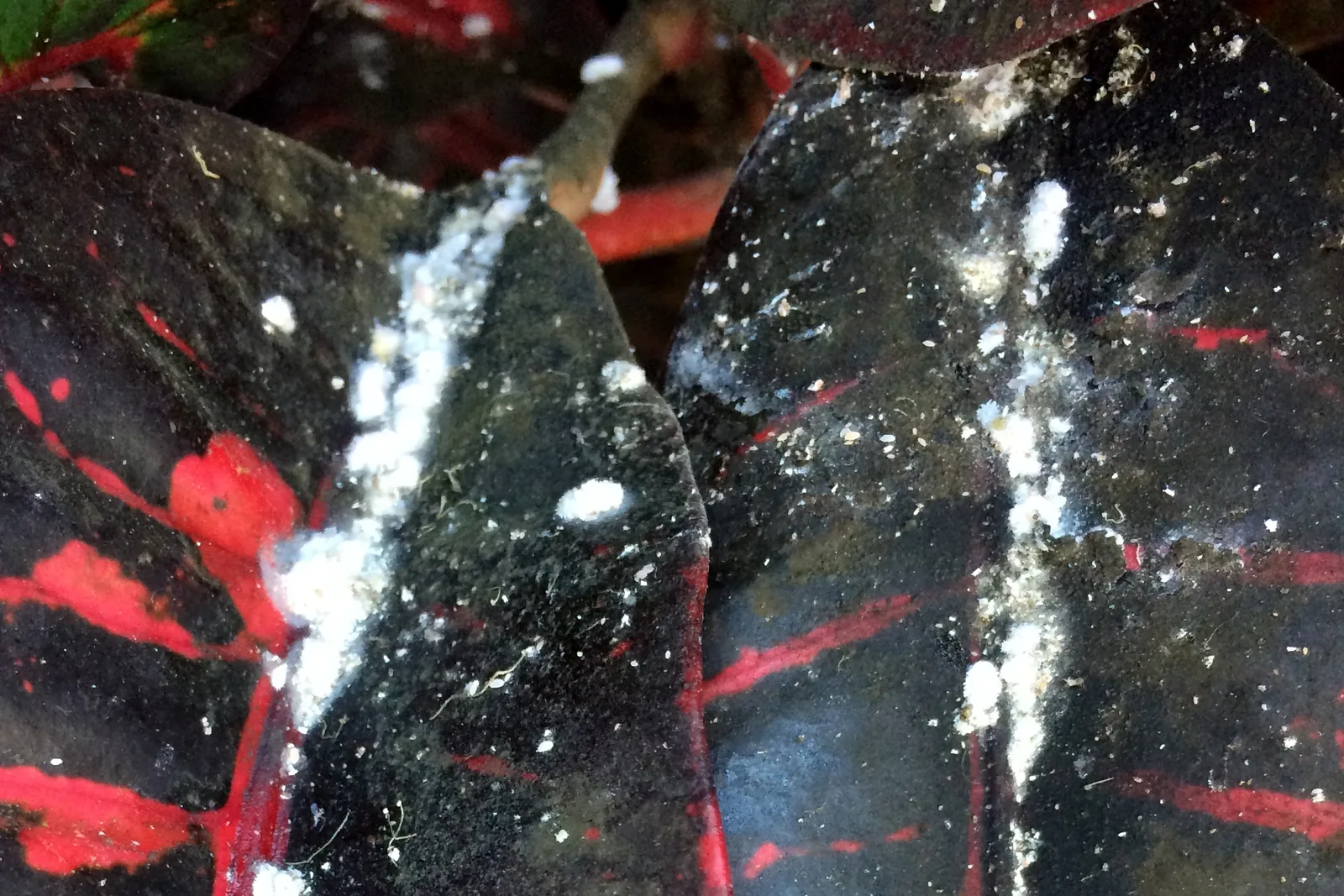
Two common houseplant pests show up as tiny white bugs: whitefly and mealybugs. Touch the plant to tell them apart. Whitefly fly up in a cloud. Mealybugs stay put under white, waxy fluff in the leaf joints.
Turn a leaf over and you may find more than one enemy dug in. Houseplant pests come green, black, white and winged, and many of them hide under the leaves.
If you've found bugs in house plants and can't put a name to them, this guide covers seven common ones: what each looks like, what it leaves behind and where on the plant it hides. Know what you're fighting, then spray!
- Whitefly fly up when the plant is touched. Mealybugs stay put under white, waxy fluff.
- Aphids, whitefly, mealybugs and scale insects leave sticky honeydew on the leaves. Spider mites leave fine webbing.
- Whitefly, spider mites, thrips and scale insects feed mostly on the undersides of the leaves, so look there first.
- Spider mites are up to 1mm long and easier to see with a magnifying glass.
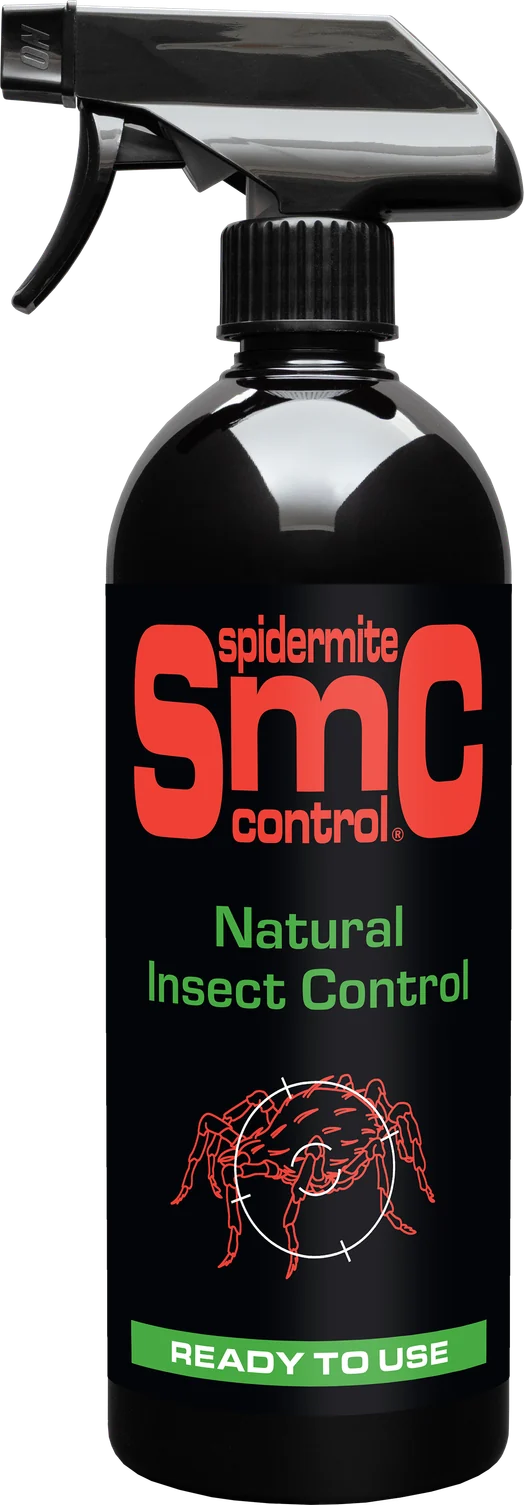
- SMC Spider Mite Control is a UK-made spray with 100% plant-based active ingredients. It controls soft-bodied pests including spider mites, greenfly, blackfly and other aphids, whitefly, mealybugs, thrips larvae and juvenile scale insects.
What are the tiny white bugs on my houseplant?
If they fly up when you touch the plant, they're whitefly, and if they sit still under white fluff, they're mealybugs. Loose white flecks with no fluff can be the cast skins of aphids or spider mites.
How to tell the white bugs apart
Start with the two white pests, then rule out the lookalikes.
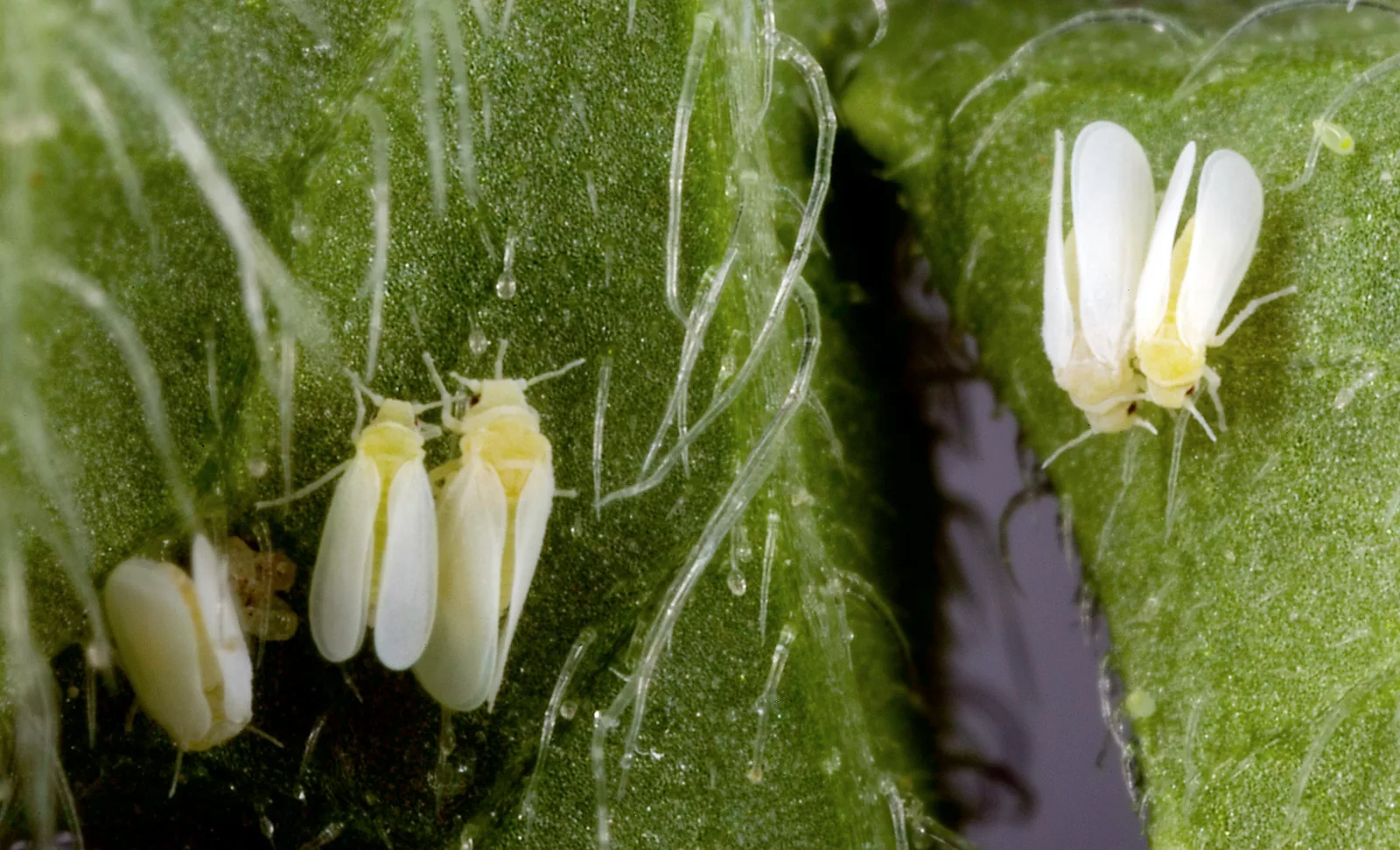
- Whitefly are tiny white-winged insects about 1.5mm long. Disturb the plant and they fly up together. They live on the undersides of the leaves, where you may also find their young: flat, oval and creamy white, more like scale than flies. Read how to get rid of whitefly.
- Mealybugs are flat, oval, soft-bodied insects up to 4mm long, coated in a white, waxy powder. They live in clusters in the leaf joints and other sheltered spots, and the first sign is often white fluff on plants where leaf meets stem. They barely move. Cacti and other succulents are favourite targets. Read how to get rid of mealybugs.
White flecks lying on top of the leaves can be the cast skins of aphids, which build up on the upper surface. Some aphid species are white themselves, as well as the familiar green and black ones.
Tiny white specks under the leaf, with fine webbing, point to spider mites. The mites themselves are yellowish-green, but they leave white cast skins and egg shells behind them.
How to identify houseplant pests at a glance
Seven common houseplant pests, side by side.
| Pest | What you see | Where on the plant | SMC |
|---|---|---|---|
| Mealybugs | White, waxy fluff in small clusters, oval bodies up to 4mm, sticky leaves | Leaf joints, leaf sheaths and other sheltered spots | Controls them |
| Whitefly | Tiny white winged insects that fly up when you touch the plant, sticky leaves | Leaf undersides | Controls them |
| Spider mites | Fine pale mottling on top of the leaf, silk webbing, white cast skins underneath | Leaf undersides | Controls them and coats the eggs |
| Greenfly and blackfly (aphids) | Clusters of small green or black insects, white cast skins, sticky leaves, curled new leaves | Shoot tips, new growth, undersides of younger leaves | Controls them |
| Thrips | Dull or silvery leaves dotted with tiny black spots | Both sides of the leaf, more underneath | Controls thrips larvae |
| Scale insects | Flat, oval, pale yellow-brown bumps up to 4mm, sticky leaves | Leaf undersides near the midrib and main veins, stems | Controls juvenile scale insects. Less effective on hard-shelled pests |
| Fungus gnats | Small, dark greyish-brown flies, 3 to 4mm long | Flying slowly around the plant | Controls them |
Tiny green and black bugs on plants
New shoots crawling with tiny green bugs and/or black specks packed along a stem points to an aphid colony.
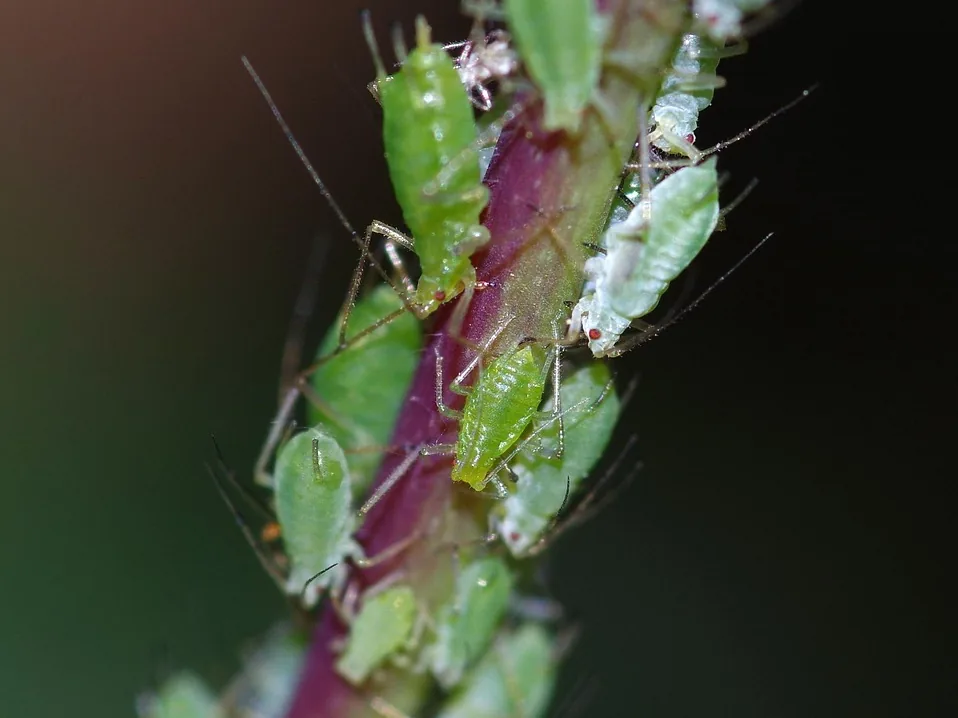
Greenfly and blackfly are both aphids, small sap-sucking insects 1 to 7mm long. They colonise shoot tips, new growth and the undersides of younger leaves. A heavy attack leaves the plant stunted, with curled or distorted leaves. Read how to get rid of greenfly, which covers blackfly too.
Tiny black bugs on plants can also be adult thrips. They're narrow, up to 2mm long and yellowish-brown to blackish-brown, and their wingless young are paler. Look for leaves that turn dull, then silvery-white on top, dotted with tiny black spots. Shake a shoot over a sheet of white paper and the thrips show up against it.
Fine webbing and pale speckled leaves
Fine silk webbing between the leaves means spider mites have been building their numbers for a while. The webbing comes with heavy infestations.
Each mite is up to 1mm long, yellowish-green with two darker markings, and turns orange-red in autumn and winter. You'll only spot them easily in large numbers, so take a x10 hand lens to the underside of a leaf. On top, the leaf shows a fine, pale mottling.
Spider mites thrive in warm, dry conditions and feed on a very wide range of houseplants, so few are completely immune. The full battle plan is in how to get rid of spider mites.
Little flies around your houseplants
Small black flies in house plants that fly slowly around the plant point to fungus gnats. They're dark greyish-brown and 3 to 4mm long.
Whitefly are the other flying suspect. They're smaller, about 1.5mm, and white, and they rise off the undersides of the leaves when you touch the plant.
Sticky leaves and black patches
Run a finger along a leaf. If it's tacky, look for something feeding on sap.
Aphids, whitefly, mealybugs and scale insects take in more sugar than they need and get rid of the rest as honeydew. It lands on the leaves and stems below them. If you find sticky leaves on an umbrella plant or any other indoor plant, check the leaves and stems above the sticky patch for one of these four.
Black or brown powdery patches on the top of the leaves are sooty mould. It grows on the honeydew, and in most cases it's a sign of an insect infestation.
Scale insects are easy to miss. Soft scale is flat, oval and pale yellow-brown, up to 4mm long, and sits near the midrib and main veins on the underside of the leaf, or on the stems. Once an adult starts feeding, it usually stays put for the rest of its life, so it looks like a bump on the plant.
Where to look on the plant
Each pest digs in on its own part of the plant. Check these spots on every plant:
- Leaf undersides: whitefly, spider mites, thrips and scale insects. Scale sits along the midrib and main veins.
- Shoot tips and new growth: aphids, and thrips on the young leaves and shoot tips.
- Leaf joints and sheltered spots: mealybugs.
- The top of the leaf: sticky honeydew, sooty mould, white aphid skins, the pale mottling of spider mites and the silvery patches of thrips.
- Around the plant: fungus gnats and whitefly in the air.
A x10 hand lens makes spider mites much easier to see, and a sheet of white paper under a shaken shoot shows up thrips.
How to get rid of bugs on houseplants
SMC Spider Mite Control works physically. Its plant-based oil film coats the pests and blocks their breathing pores, so they suffocate, and it coats the eggs before they hatch. It has no pesticide ingredients, so pests can't build resistance to it.
It controls spider mites, greenfly, blackfly and other aphids, whitefly and mealybugs, among other soft-bodied pests. On thrips it controls the larvae, and on scale it works on juvenile scale insects before the hard shell develops. It's less effective on hard-shelled pests.
- Shake well. For the concentrate, mix 25ml per litre of water, and keep shaking while you spray. The 750ml is ready to use.
- Use a fine mist on the tops and undersides of every leaf, and spray the pests directly.
- Spray in the afternoon or evening, never in direct sunlight. Indoors, turn grow lights off and wipe any residue off the bulbs before switching them back on.
- Avoid flowers, hairy-leaved plants and sensitive plants. Patch test one leaf first.
- Spray again after four days if needed.
The film works only where it lands. Eggs on a leaf you missed can still hatch, so check under the leaves again after four days, and if you still see live pests, spray again. Once they're cleared, SMC can go on weekly as a preventative, with no limit on how often.
Fighting more than one pest on the same plant? One spray for spider mites, aphids and whitefly explains how the same film takes on all three.
- Coats and suffocates soft-bodied pests
- Nothing for them to resist
- Safe around children, pets and bees
- 100% plant-based active ingredients
750ml Ready to Use. No mixing. Ready to spray on the tops and undersides of every leaf.
Buy on AmazonCheck new plants before they join the others
Houseplant pests often arrive on new plants. Check every new one before it goes near the rest, especially for mealybugs and scale insects, and look over any flowers for thrips.
Keep a new plant apart for a while if you can, so any eggs and young have time to show. After that, check your houseplants often, so you can act before the numbers build. Spot the first few and the fight stays small.
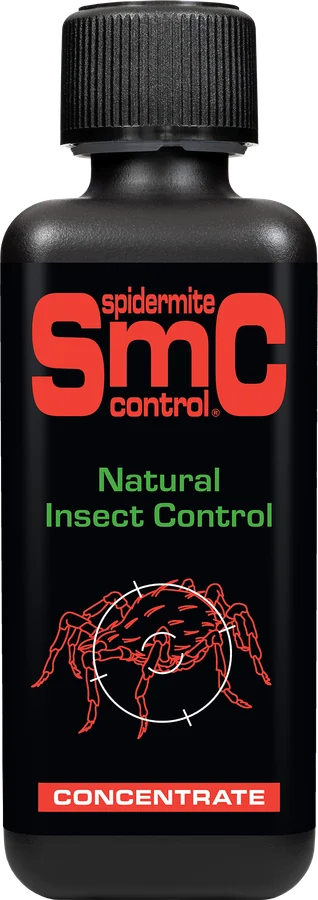
SMC is safe around children, pets and wildlife, so you can treat indoor plants where they stand. For a room full of plants, the 300ml concentrate makes 12 litres of spray.
- Weekly spray, no limit on use
- Coats the eggs before they hatch
- Safe around children, pets and bees
- 100% plant-based active ingredients
300ml Concentrate. One bottle makes 12 litres of spray.
Buy on AmazonFAQs
What are the most common houseplant pests?
Common houseplant pests include mealybugs, scale insects, thrips, spider mites and aphids such as greenfly and blackfly. Whitefly and fungus gnats turn up indoors too. Most houseplants can be affected, and citrus, orchids, cacti and other succulents are the most common targets.
Why do I have little bugs flying around my indoor plants?
Small dark flies drifting slowly around the plant are likely fungus gnats, greyish-brown and 3 to 4mm long. Tiny white flies that lift off the undersides of the leaves when you touch the plant are whitefly.
Why are my plant's leaves sticky?
Sticky leaves are coated in honeydew, the sugary waste that sap-feeding insects leave behind. Aphids, whitefly, mealybugs and scale insects all produce it. Black or brown powdery patches on the sticky leaves are sooty mould, which grows on honeydew and is usually a sign of an insect infestation.
How do I get rid of bugs on indoor plants?
Spray SMC in a fine mist on the tops and undersides of every leaf, and spray the pests directly. Patch test one leaf first, keep it off flowers, hairy-leaved plants and sensitive plants, and spray again after four days if needed. The film suffocates soft-bodied pests and coats the eggs before they hatch.
Is it safe to spray indoors around pets and children?
Yes. SMC is safe around children, pets and wildlife, won't harm bees and leaves no harmful residues. If your plants are under grow lights, turn them off before you spray and wipe any residue off the bulbs before switching them back on.